
Buying guide · reviewed 22 October 2026
Using Fatobuy from a garment find to delivery
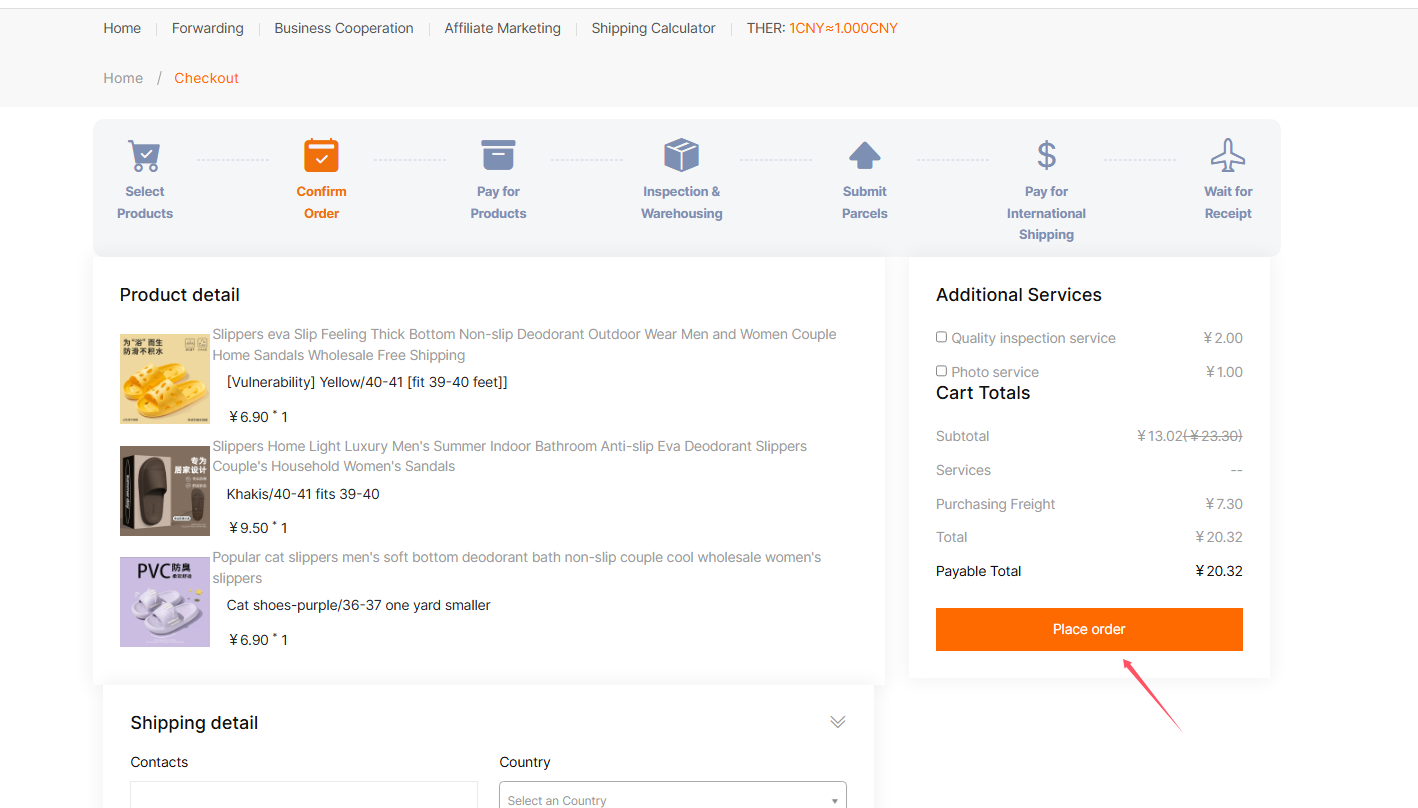
The sequence below follows the order of Fatobuy’s currently published purchase and parcel tutorial: nine steps, then receipt. The practical checks focus on garment details. Official tutorial pictures are reproduced in their original order; their example products, prices and interface are not a live account or a current quote.
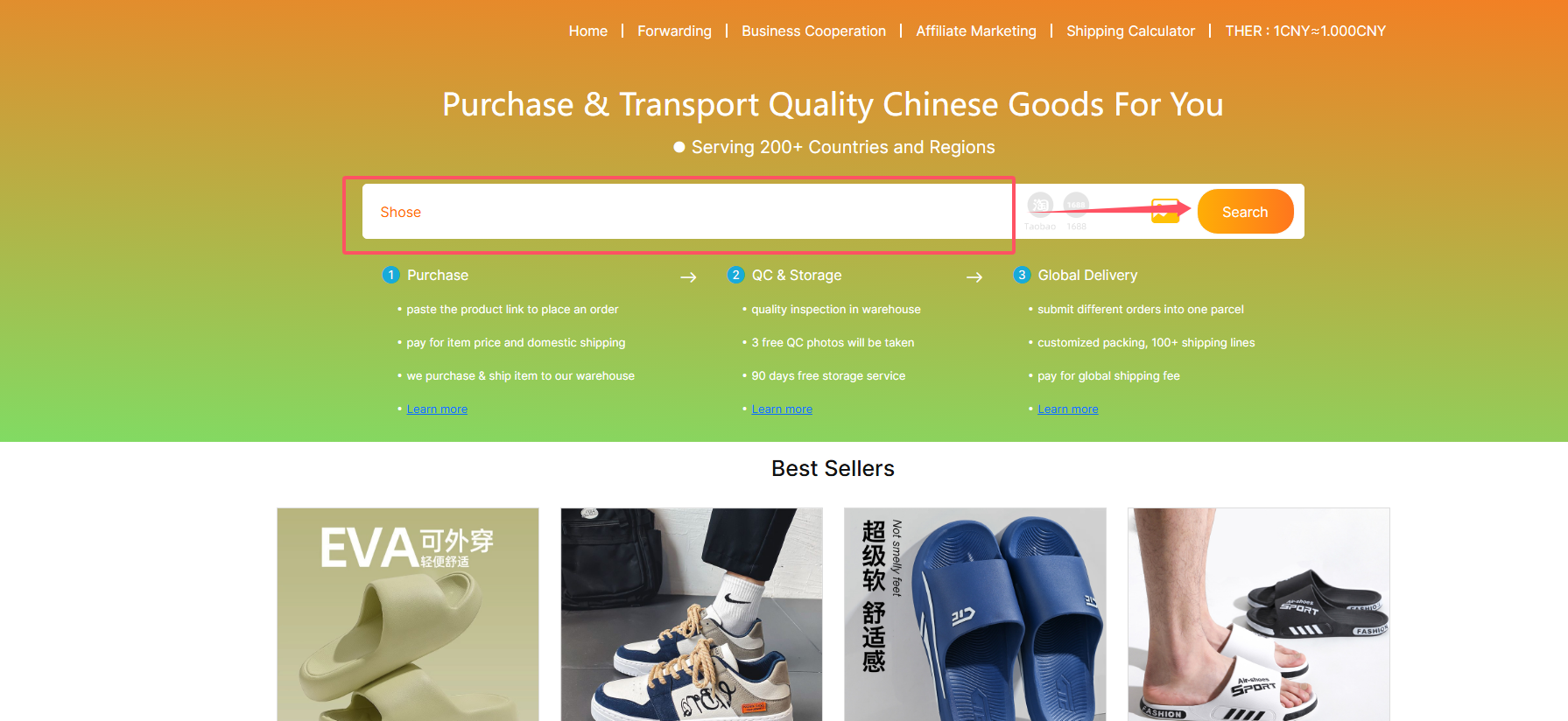
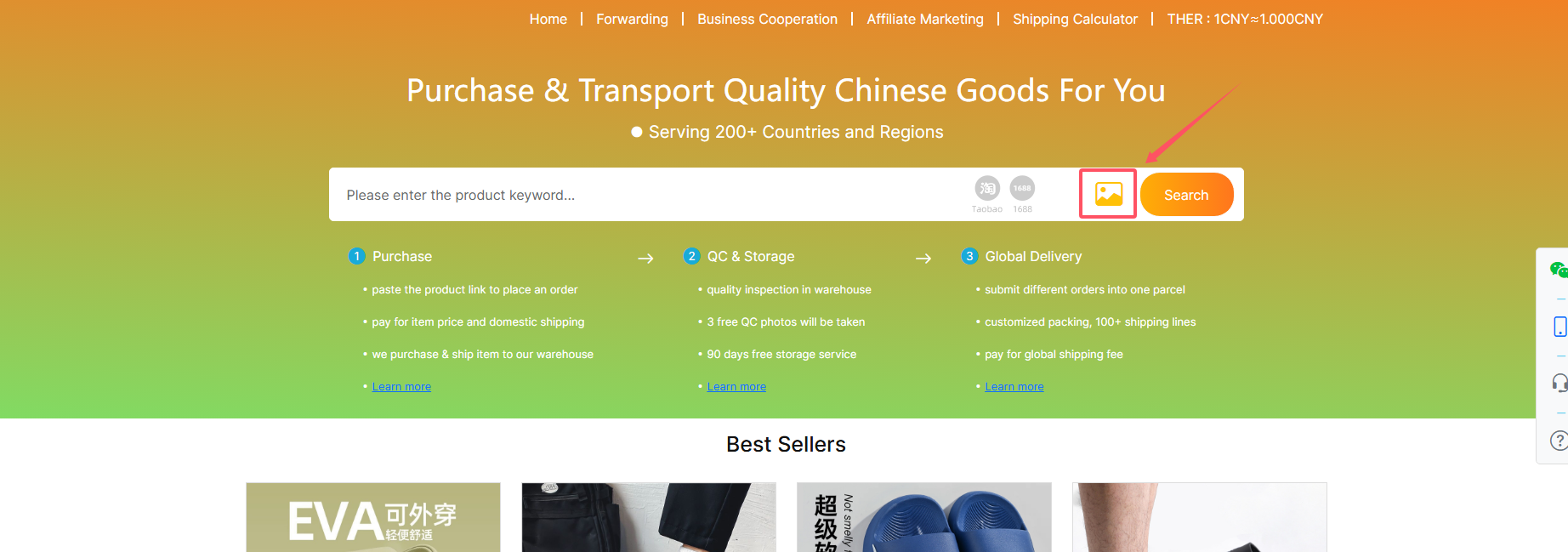
1. Find the item
Start with the garment and the feature you need. A cargo trouser title does not tell you whether its pockets open, and a jacket’s historical name does not establish weather protection. Read the original listing and save the selected option. Keyword or image search can find candidates; it cannot verify construction.
2. Confirm the product order
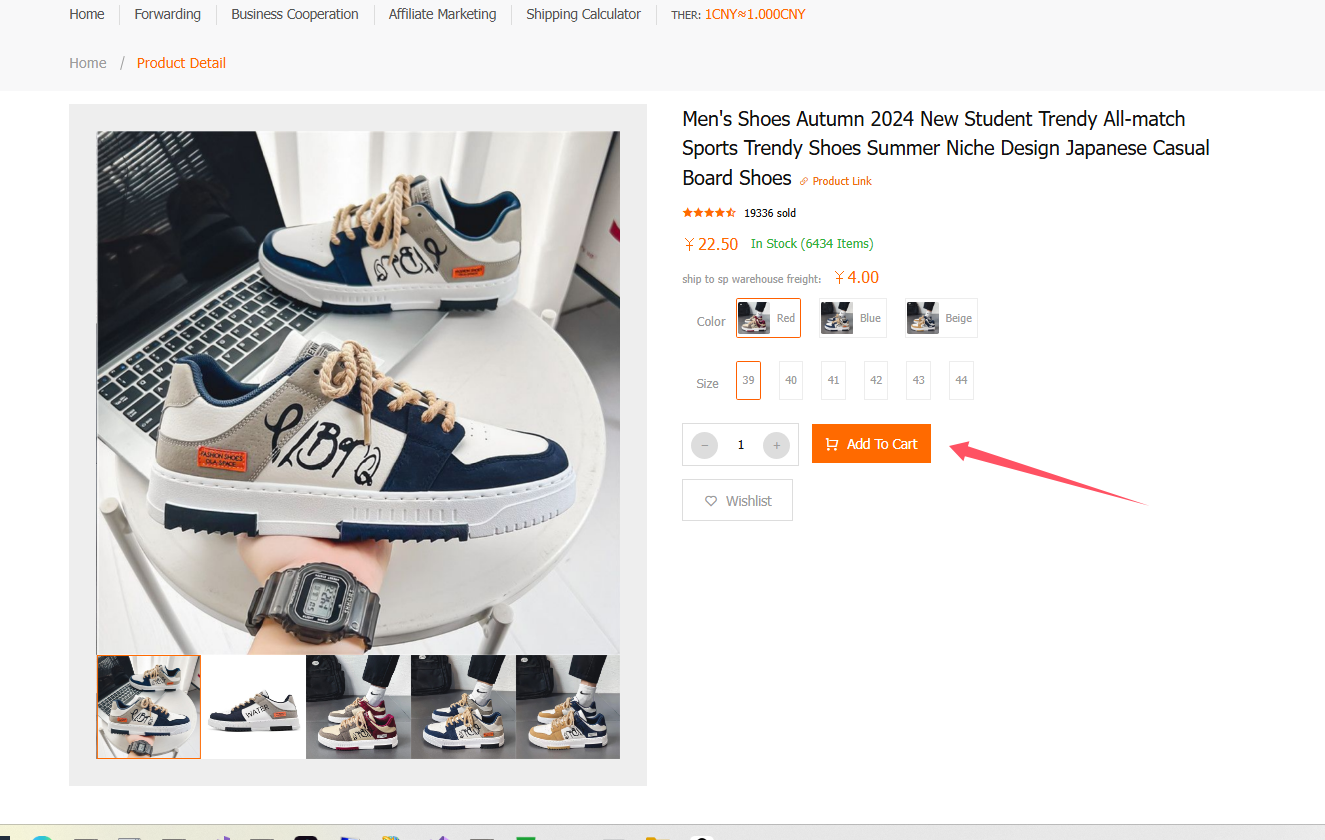
Select the exact size, colour and quantity. Compare garment measurements with a familiar item laid flat. If a lining, hidden hood or pocket opening decides the purchase, ask the seller before checkout; a remark added later may arrive after the seller has dispatched.
3. Review and pay the product amount
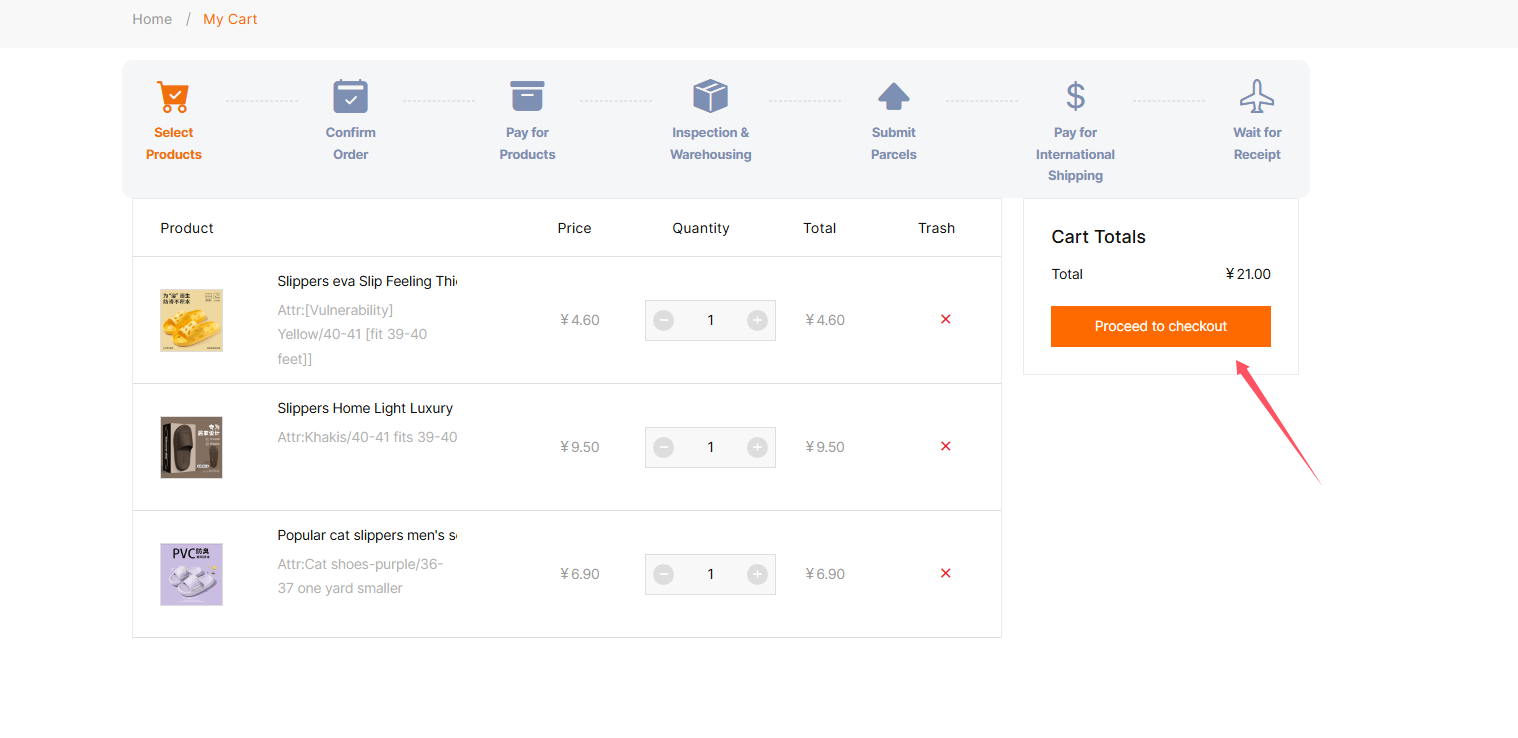
Review the item amount and Chinese domestic delivery separately from future international shipping. Confirm the destination and any chosen service. Keep the payment record and order number; a successful payment still leaves seller purchasing and local delivery ahead.
4. Follow the seller purchase
The agent places the seller order. Read any request for clarification or extra payment before accepting it. If a seller cannot supply the chosen variant, decide whether to wait, choose a confirmed alternative or request cancellation. A visually similar replacement is not the same specification.
5. Review warehouse checks and storage
Compare the received item with the saved option. Ask for the hidden feature to be exposed in a photograph: the flap lifted, collar opened or reversible side shown. Standard photos cannot prove waterproofing, insulation or long-term durability. Raise a mismatch while the item is still in the warehouse.
6. Choose the parcel contents and route
Select the items to travel together and enter the delivery details accurately. Compare packing choices with the fabric and structure: a shaped cap or leather garment may need different protection from a soft cotton tee. Check the route accepts all the contents.
7. Review the international shipping deposit
Review the quoted deposit, packing and selected extras. Bulky outerwear can be charged on parcel size as well as weight. Save the estimate and read how final measurement changes it before paying; the delivery range is a route estimate, not an arrival appointment.
8. Check packing and dispatch
Check the parcel record after dispatch and keep its tracking number. International movement starts after the agent releases the parcel, not on the product-payment date. If the record is unclear, send support the parcel number and last event rather than repeatedly ordering the same item.
9. Follow the shipment
Follow the carrier’s current tracking and respond to legitimate requests about the shipment through the official channels. Do not guess a contents description from the garment’s nickname. Delays, destination charges and inspection are possible; the shipping quote is not a customs decision.
10. Receive and check the parcel
Photograph the packing before discarding it, count the pieces and compare the actual garment with the saved option. Check functional details gently before washing or alteration. Send a visible mismatch to support promptly with the order and parcel identifiers; preserve the tags while a remedy is being discussed.
QC: turn a photograph into a decision
For a garment chosen for a useful construction feature, start with the selected option and the received item, then examine the detail that decides garment details. In buyer discussions, QC means quality-control photographs; GL and RL are shorthand for a buyer’s acceptance or concern. They are not laboratory results, an agent guarantee or a substitute for your own order instructions.
| What you find | What to establish | What to do next |
|---|---|---|
| A cargo pocket is only decorative | Request the flap lifted and the opening visible. | A military-style name does not establish a working pocket. |
| A jacket is described as reversible | Ask for the inside finish and closures on both sides. | Do not infer reversibility from a contrast lining. |
| The parcel contains a similar-looking substitute | Compare the selected option, label and features with the saved listing. | Raise the difference before accepting the item or removing tags. |
A detail absent from a photo remains unverified in that photo. It does not prove that a warehouse worker skipped a check. Use the specific help page to name the missing evidence.
Fees, currency and the delivered total
For outerwear, a large box may be charged by volume. Keep the protection needed for the garment and compare the measured parcel rather than assuming the item’s scale weight will be the shipping weight.
| Stage | Record | Why it matters |
|---|---|---|
| Chosen construction | Exact variant and seller delivery | Compare the item with the feature you need, not a similarly named cheaper version. |
| Warehouse services | A specific useful detail photo and appropriate packing | Avoid paying for a general view that leaves the hidden feature covered. |
| Parcel and payment | Measured size/weight, accepted route, converted debit and destination charges | Bulky outerwear can cost differently from its scale weight alone. |
Compare a garment’s complete quote after confirming the feature you want. A decorative pocket and a working pocket may belong to different variants at different prices. Record the CNY option price and checkout debit, then add the actual parcel estimate; a heavy-looking fabric photograph cannot supply the missing packed weight or dimensions.
Read the garment details and agent-service notes before choosing paid options.
When this order needs a response
| Stage | Request or establish | Keep this boundary |
|---|---|---|
| Listing and purchasing | Ask whether the specific feature is functional and included in the chosen variant. | Do not accept a historical garment name as the answer. |
| Warehouse evidence | Name the hidden part to expose and the view that would answer your question. | Do not infer waterproofing or insulation from a construction photograph. |
| Packing the garment | Check whether compression or removing packaging could damage the shape or an unresolved return. | Do not trade away needed protection before seeing the packing quote. |
| Mismatch or delayed outcome | Keep the seller claim, actual feature photo and order status together; trace any agreed return and credit. | Do not apply one published service’s return fee to a different service without confirmation. |
Ask official Fatobuy support for a photograph of the feature in use: pocket opening, hidden hood, reverse fastening or detachable part. Include the saved option and the seller’s description. If a return is discussed, request the applicable order service and fee quote because the published standard-purchasing and third-party-buyer articles describe different return fees.
Open the official Fatobuy site to use its account support. This independent guide cannot access your account.
Questions before you continue
Does this Spreadsheet take the order?
No. It helps you discover and examine a seller listing. The seller supplies the product; Fatobuy provides the agent and parcel services. Complete the purchase and any support request through the official account.
Does paying for a photo make a product suitable?
No. A photo service can supply specified visible evidence. It does not establish the actual wearer’s fit, comfort, safety or long-term durability.
Can a stored item wait while I decide?
Check its actual stock-in date and the current storage conditions. The storage period and a seller’s return window are different clocks. Waiting for optional photos does not establish that either deadline has been extended.
Continue with agent services and costs or the next specialist check.